That Results Matter
and workers’ compensation counsel.
That Results Matter
and workers’ compensation counsel.
A Proven Record In Personal Injury And Workers’ Compensation Cases

At Boren & Boyd, PLC, with over 60 years of combined practice experience, we have a proven history of results-based representation. We understand it isn’t the number of cases we handle, but rather the way we practice that leads to better results for our clients. Whether a personal injury case involving a car accident or a workers’ compensation matter involving hearing loss, we know what it takes to get a good result. We prepare every case as if it were going to trial, and if it settles for top value, so be it. A lot of firms prepare cases just enough for quick, easy and low settlements. Check out our case results. Call 731-300-6207 to arrange a consultation.
Practice Areas


Accidents


Case results
Case results
Jeff Boyd successfully tried a case against a tractor-trailer company that resulted in a jury award of $1.5 million. The case involved three brothers who were traveling Interstate 40 on their way home to Texas. When traffic slowed for construction, the driver of the tractor-trailer did not and…
$1.3 million: A young man was riding with a friend who had been drinking. The friend ran into the back of a semi truck, causing serious and permanent injuries to the young man. The friend testified that he was not impaired at the time of the accident. The case was tried to a jury in Madison County in Jackson, Tennessee, and the jury awarded $1.3 million against both the driver and his father, who had provided him with the car.
Injured in an accident?
Learn what to do and—more importantly—what not to do after an accident.
We Understand Our Clients And Their Community
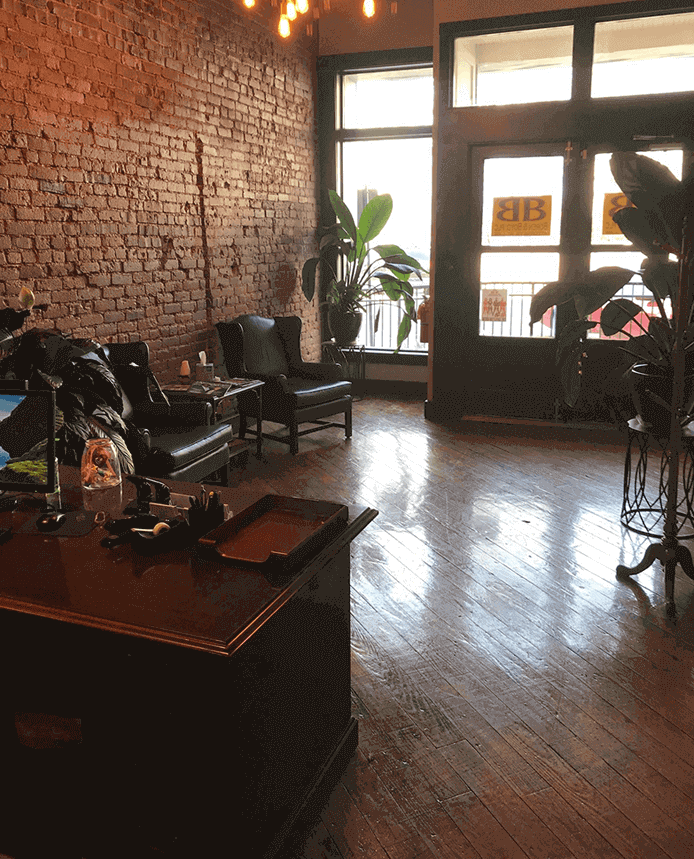
Boren & Boyd, PLC, is located in Jackson, Tennessee. We aren’t an out-of-touch, out-of-state law firm. We care about our clients, and we care about their cases. We care about results because results matter to our clients, who are often residents of our own community. Understanding where you come from means we are able to relate better to your objectives.
Our Attorneys

Complex Legal Matters Require Skilled Representation
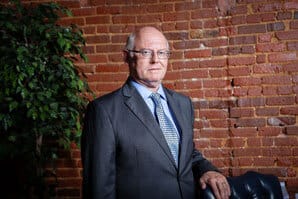
We both have extensive backgrounds in personal injury and workers’ compensation cases. If you have been involved in a vehicle accident or suffered a serious injury in some other accident, you should understand your legal remedies before you make any decisions. Insurance companies should be held accountable for coverage when needed, but often they will work to minimize your recovery.